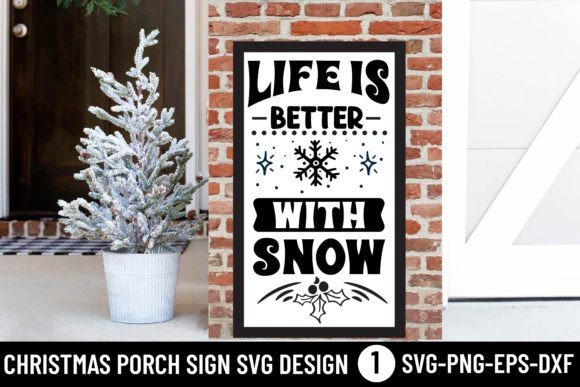
Life is Better with Snow
As a designer who has hooped everything from delicate baby onesies to heavy denim jackets, I have learned to read a design file with a critical eye long before the needle ever touches the fabric. When I first opened Life is Better with Snow - Svg, the immediate impression was one of clean, approachable farmhouse charm. It evokes that specific winter feeling of staying warm inside while the snow falls. But for the small business owner, Etsy seller, or apparel decorator, the real question is always practical: how will this perform under the needle, and will it sell?
A Design That Evokes a Cozy Winter Mood
The typography carries a hand-lettered, scraped texture that feels both rustic and modern. The inclusion of the snow graphic gives the layout a visual anchor, preventing it from feeling like just another generic quote. In the competitive world of holiday embroidery, capturing a specific mood is half the battle. This design leans into the "porch sign" aesthetic that has become a staple in home decor and custom apparel. It immediately feels like a product a customer would want on a sweatshirt for a Christmas market or as a personalized gift for a friend who loves winter. The layout is horizontal and balanced, which makes it naturally suited for structured products like tote bags, sweaters, and throw pillows.
The Digital-to-Stitch Workflow
Let us address the file format elephant in the room. Life is Better with Snow - Svg is delivered as a Graphics set: SVG, PNG, EPS, and DXF. It is not a native machine embroidery file such as a PES or DST. For the experienced embroiderer, this is not a limitation, but it does define your process.
If you are a digitizer, the clean vector paths provide an excellent base for creating a robust embroidery file. The thick lettering translates naturally into a satin stitch or a dense fill stitch. Because the design is composed of solid shapes, it also makes a fantastic candidate for an applique design. You can easily use the DXF file with a digital cutter to prep fabric pieces, allowing you to offer a plush, textured finished product that commands a higher price point. If you are selling digital embroidery file conversions of this design, remember to check your licensing for derivative works.
Real Project Test: The Holiday Tote Bag
For a recent client order, I used Life is Better with Snow - Svg to create a run of custom tote bags for a local boutique. The goal was a sturdy, high-end market bag. Here is how the design performed under real working conditions.
- Hoop Size: I used a 6x10 inch hoop. The design scaled up beautifully without losing the integrity of the lettering. It filled the bag front nicely.
- Stabilizer: I used a heavy-weight cutaway stabilizer. The stitch density on the snow element and the text is substantial enough that a tearaway would have caused shifting. For any commercial embroidery project that will see heavy use, a cutaway is non-negotiable.
- Thread Choice: The client wanted a natural canvas tote. We stitched the snow in a bright, crisp white thread and the text in a matte black. The contrast was sharp, and the slight sheen of the white polyester thread against the matte canvas gave the snow a "just fell" freshness.
- Finished Product: The totes sold out in two days. The clean, bold nature of the design made the bags look like high-end boutique merchandise, not a DIY project. This is exactly the effect that a handmade product needs to compete in a saturated market.
Where This Design Needs Careful Attention
No design is a universal tool. Even a great applique design or vector has its weak spots. Here is where I advise caution with this particular file.
Small Hoops and Tiny Lettering
If you are working in a 4x4 hoop for a baby embroidery project or a cap, the detail can become problematic. The width of the lettering means it must be scaled down significantly, which can make the scratched texture of the letters muddy. The stitch density in a scaled-down conversion can become too tight, causing the fabric to pucker or the thread to break. I recommend a minimum hoop size of 5x7 for this design to retain its readability.
Curved and Stretchy Surfaces
This is a wide, horizontal layout. It will struggle on the curved front of a baseball cap or a beanie. You would need to digitally curve the design or accept some distortion. On stretchy fabrics like tri-blend t-shirts, the dense fill areas can cause tunneling. A no-stretch stabilizer and a quality fusible interfacing are required to keep the stitches flat.
Fabric Texture
On deeply textured fabrics like thick blankets or towels, the fine details of the hand-lettered style can be lost. The nap of the fabric absorbs the gaps in the lettering. If you are using this on a blanket, consider enlarging the design slightly to give the stitches more room to breathe, and test a running stitch outline first to see how the fabric handles the density.
Building Your Craft Business Assets
For the creative entrepreneur, this SVG is more than just a one-off project file. It functions as a core design asset for your business. Because it comes with a PNG, you can immediately create printable mockups for your Etsy storefront or social media listings. Seeing the design on a model or a flat lay of a finished product drastically improves buyer engagement and trust.
If you are a digital product seller, the vector format allows you to create bundles, offer color variations, and market the design to other crafters. It fits naturally into the Crafts category of winter and Christmas themes. Just be certain about the terms of your commercial license before selling finished items or the digital file itself. A quick review of the license agreement protects your craft business from legal headaches down the road.
Designer’s Pre-Stitch Checklist
Before you export your converted embroidery file and load your machine, use this quick checklist based on my experience with Life is Better with Snow - Svg.
- Test Your Conversion: If you auto-digitized from the SVG to a stitch file, run a test on scrap fabric. Look for jump stitches that are too long and areas where the satin columns are too wide, causing them to pull away from the fabric.
- Check Your Stitch Density: A clean vector can sometimes digitize with too many stitches. If the fabric feels stiff or the design is too heavy, adjust the density in your software.
- Thread Color Contrast: Hold your actual spools next to the screen. The white snow will look different on a dark green sweatshirt versus a light gray one. A subtle contrast often looks more elegant than a stark one.
- Needle and Thread: Use a fresh needle. A sharp needle for wovens, a ballpoint for knits. A 75/11 or 80/12 needle is usually perfect for the density this design demands.
- Licensing Check: Confirm you have the correct license for commercial embroidery if you intend to sell the finished items. This protects both you and the original artist.
Life is Better with Snow - Svg earns its place in a winter production queue. It looks great, it structures well for both applique and fill stitch workflows, and it taps into a reliable market of holiday shoppers looking for cozy, giftable items. Treat it with the proper respect for sizing and stabilizer, and it will help you build a finished product you can be proud to sell.